
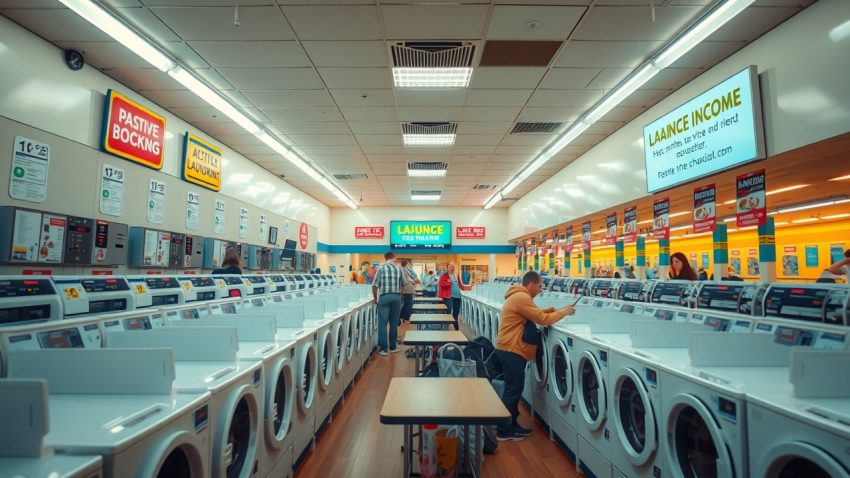
Investing in laundromats can offer a pathway to passive income through a business model that is generally considered stable and essential. This sector, while often overlooked, presents opportunities for investors seeking tangible assets and consistent returns. The fundamental nature of laundry services ensures a baseline demand, making laundromats less susceptible to economic downturns than some other retail ventures. This article explores the various facets of laundromat investment, from initial considerations to long-term management, providing a practical overview for potential investors.
Understanding the Laundromat Business Model
The core of a laundromat’s profitability lies in its self-service nature and the recurring need for its services. Customers bring their laundry, use coin-operated or card-operated machines, and pay for the usage. This operational simplicity reduces labor costs, a significant advantage compared to businesses requiring a large staff. Revenue is generated from machine usage fees, and in some cases, additional services like dry cleaning drop-off, vending machines, or on-site staff to offer wash-and-fold services.
Revenue Streams and Profitability Drivers
- Machine Revenue: This is the primary income source. The number of machines, their capacity, and their operational efficiency directly impact revenue. Modern, energy-efficient machines can also contribute to lower utility costs, thereby increasing profit margins.
- Ancillary Services: The inclusion of vending machines (offering detergent, fabric softener, snacks, and drinks) can add a supplementary layer of income. Some laundromats also partner with local dry cleaners for drop-off and pick-up services, generating referral fees.
- Wash-and-Fold Services: Offering premium services where customers drop off their laundry to be washed, dried, and folded can significantly boost revenue and appeal to a different customer segment. This requires dedicated staff but can command higher prices.
The Essential Nature of Laundry Services
Laundry is a fundamental human need, not a discretionary expense. Regardless of economic conditions, individuals and families require clean clothing. This inherent demand provides a degree of resilience to the laundromat sector. While some economic fluctuations might affect disposable income allocated to non-essential services, the basic need for laundry remains constant. Think of a laundromat as a foundational pillar in the community’s daily life, less prone to the whims of fashion or trends.
Key Considerations for Laundromat Investment
Investing in a laundromat requires careful planning and due diligence. Several factors contribute to the success or failure of such an enterprise, and understanding these upfront is crucial for making informed decisions. These factors range from location selection to the type of equipment utilized.
Location, Location, Location

The success of a laundromat is heavily dependent on its physical location. A site with high visibility, ample parking, and easy access is paramount. Proximity to residential areas with a high density of renters or individuals without in-home laundry facilities is ideal. Analyzing demographic data, including income levels and household composition, can help identify prime locations.
Demographic Analysis
- Rentals vs. Homeowners: Areas with a higher percentage of rental properties often have a greater need for laundromat services, as tenants may not have personal laundry facilities.
- Income Levels: While laundromats cater to a broad income spectrum, understanding the average income can inform pricing strategies and the types of amenities offered.
- Household Size: Larger households generally generate more laundry, increasing the demand for machine usage.
Competition Assessment
- Existing Laundromats: It is important to assess the number and quality of existing laundromats in the target area. A saturated market may present challenges, but a poorly maintained or outdated competitor can also represent an opportunity.
- Alternative Laundry Solutions: Consider the prevalence of apartment complex laundry rooms or individual in-home machines within the vicinity.
Equipment Selection and Maintenance
The type and condition of laundry equipment are critical. Modern, energy-efficient machines can reduce utility costs and attract customers who appreciate a reliable and efficient laundry experience. Investing in durable, well-maintained equipment minimizes downtime and repair expenses.
Washer and Dryer Technology
- Capacity and Variety: Offering a range of machine sizes, from standard to large-capacity units, caters to diverse customer needs.
- Energy Efficiency: Newer, Energy Star-certified machines can significantly lower utility bills for gas and electricity, directly impacting profitability.
- Card Systems vs. Coin-Operated: While coin-operated machines are traditional, card payment systems offer greater convenience for customers, reduced cash handling for the owner, and potentially better data collection for usage patterns.
Maintenance and Repair Protocols
- Preventative Maintenance Schedule: Implementing a regular preventative maintenance schedule for all equipment is essential to avoid costly breakdowns.
- Reliable Repair Services: Identifying and establishing relationships with qualified and responsive repair technicians can minimize downtime when issues do arise.
Legal and Regulatory Compliance
Operating a laundromat involves adherence to various local, state, and federal regulations. This includes business licensing, health and safety standards, and environmental compliance. Understanding these requirements upfront can prevent future legal entanglements and ensure smooth operation.
Business Licensing and Permits
- Local Business Licenses: Obtaining the necessary licenses from the city or county where the laundromat will operate.
- Health and Safety Permits: Ensuring compliance with health and safety regulations, particularly regarding water usage, sanitation, and fire prevention.
Environmental Regulations
- Water and Sewer Use: Understanding regulations related to water consumption and wastewater discharge.
- Disposal of Chemicals: Proper disposal of cleaning agents and other chemicals used for maintenance or customer-provided supplies.
Financial Planning and Investment Strategies
Investing in a laundromat requires a solid financial plan. This includes understanding the initial capital investment, ongoing operating expenses, and potential return on investment. Various investment strategies can be employed, from outright ownership to partial investment.
Initial Capital Outlay
The initial investment can be substantial, encompassing the purchase of the property or a long-term lease, renovation costs, and the acquisition of laundry equipment. Financing options may include traditional bank loans, Small Business Administration (SBA) loans, or private investors.
Property Acquisition or Leasing
- Cost Analysis: Evaluating the cost of purchasing a suitable commercial property versus leasing. Leasing often requires a lower initial capital outlay but incurs ongoing rent expenses.
- Leasehold Improvements: Budgeting for any necessary renovations or modifications to the leased space to accommodate laundry equipment and customer needs.
Equipment Costs
- New vs. Used Equipment: Weighing the benefits of purchasing new, warranty-backed equipment against the cost savings of acquiring used but functional machinery.
- Installation and Plumbing: Factoring in the costs associated with specialized plumbing, electrical work, and ventilation required for commercial laundry machines.
Operating Expenses and Cash Flow Management
Understanding and controlling operating expenses is key to profitability. Major expenses include utilities (water, gas, electricity), rent or mortgage, insurance, maintenance, and marketing. Effective cash flow management ensures the business can meet its financial obligations.
- Utility Management: Implementing strategies to minimize utility costs, such as investing in energy-efficient machines and monitoring usage.
- Maintenance Budget: Allocating a consistent budget for ongoing maintenance and unexpected repairs.
- Insurance Coverage: Securing adequate insurance policies, including general liability, property insurance, and potentially business interruption insurance.
Financing and Loan Options
Several financing avenues are available to prospective laundromat investors. Lenders assess the business plan, market analysis, and the investor’s financial standing.
SBA Loans
The Small Business Administration offers loan programs that can provide favorable terms for small business acquisitions, including laundromats.
Private Lenders and Investors
Exploring options with private lending institutions or seeking angel investors can be a viable strategy, especially for those who may not qualify for traditional bank loans.
Operational Management and Customer Experience
Once a laundromat is established, effective operational management and a positive customer experience are crucial for long-term success. This involves day-to-day upkeep, customer service, and strategic marketing.
Daily Operations and Upkeep
Maintaining a clean, safe, and functional environment is paramount. This includes regular cleaning of machines and the facility, emptying coin boxes, and ensuring all equipment is in working order.
Cleaning and Sanitation Protocols
- Regular Machine Cleaning: Implementing a daily or bi-daily cleaning schedule for all washing machines and dryers, both internally and externally.
- Facility Cleanliness: Ensuring floors are clean, restrooms are maintained, and any spills or messes are addressed promptly.
Equipment Monitoring and Reloading
- Detergent and Supply Levels: For laundromats offering wash-and-fold or selling supplies, ensuring adequate stock levels and clear pricing.
- Card System Reloading: For card-operated systems, ensuring the reload station is functional and accessible.
Customer Service and Engagement
Happy customers are repeat customers. Providing a welcoming atmosphere, responsive service, and addressing customer concerns promptly can foster loyalty.
- Staff Training (if applicable): If wash-and-fold services are offered, investing in training for staff to ensure professionalism and efficiency.
- Feedback Mechanisms: Implementing simple ways for customers to provide feedback, such as comment cards or a dedicated email address.
Marketing and Community Involvement
While laundromats are often destination businesses, effective marketing can attract new customers and retain existing ones. This can include local advertising, loyalty programs, and community engagement.
Localized Advertising
- Flyers and Local Publications: Distributing flyers in the local area or placing advertisements in community newspapers.
- Online Presence: Establishing a basic website or social media page to share opening hours, services, and promotions.
Loyalty Programs and Promotions
- Discount Cards: Offering punch cards or loyalty programs that reward frequent customers with discounts.
- Seasonal Promotions: Running special offers during holidays or specific times of the year to drive traffic.
The Path to Passive Income: Realities and Expectations
The term “passive income” in the context of laundromat investment should be approached with realistic expectations. While the business model is designed to minimize active daily involvement, it is not entirely hands-off. Initial setup and ongoing oversight are necessary to ensure smooth operations and profitability.
Understanding “Passive” in Laundromat Ownership
“Passive” in laundromat investment refers to the reduction of active labor compared to many other business ventures. The self-service nature allows for less direct employee management and daily operational involvement once systems are in place. However, it does not mean zero involvement. Think of it more as overseeing a well-oiled machine rather than personally operating it every moment.
Minimal Day-to-Day Labor
- Self-Service Efficiency: The core of the business relies on customers performing their own laundry.
- Remote Monitoring: Modern technology allows for remote monitoring of machines, income, and security systems, reducing the need for constant on-site presence.
Strategic Oversight is Essential
- Financial Review: Regularly reviewing financial statements, utility bills, and machine revenue.
- Maintenance Schedules: Ensuring preventative maintenance is conducted and addressing any reported equipment issues.
- Customer Feedback Analysis: Paying attention to customer comments and making necessary adjustments to services or facility.
Scalability and Future Growth
Laundromat investments can be scaled. A single successful location can serve as a foundation for acquiring or developing additional laundromats in different areas. This expansion can further diversify income streams and increase the overall passive income generated.
- Multi-Location Management: Developing efficient management systems that can be replicated across multiple locations.
- Franchising Opportunities: In some cases, successful laundromat chains may offer franchising opportunities, allowing for rapid expansion.
Long-Term Investment Outlook
Laundromats are generally considered recession-resistant businesses due to the essential nature of their services. This stability, combined with the potential for consistent cash flow, makes them an attractive option for long-term passive income generation. The tangible asset of the equipment and the ongoing demand for the service provide a solid foundation for investment.
- Market Demand Stability: The consistent need for laundry services ensures a baseline level of revenue.
- Asset Depreciation and Replacement: Planning for the eventual depreciation and replacement of equipment is part of the long-term financial strategy.
In conclusion, investing in laundromats offers a practical route to passive income for those willing to conduct thorough due diligence and implement sound operational practices. By understanding the business model, carefully considering key investment factors, and maintaining realistic expectations, individuals can unlock the potential of laundromat ownership as a stable and profitable venture.