
The year is 2026, and the world of e-commerce, particularly dropshipping, feels both familiar and exhilaratingly new. I’ve been navigating these digital shores for a while now, and looking back at how far we’ve come, and more importantly, where we’re heading, is a constant source of fascination.
The whispers about the “death of dropshipping” have been around since its inception, and yet, here I am, not just surviving, but thriving. The landscape has undoubtedly shifted, but for those willing to adapt and innovate, the future of dropshipping in 2026 and beyond is far from bleak. It’s a future that demands strategic thinking, a deep understanding of our customers, and a willingness to embrace the ever-evolving technological tapestry.
The Shifting Sands of Consumer Behavior
It feels like just yesterday we were marveling at the convenience of clicking a button and having it appear on our doorstep a few days later. Now, in 2026, consumer expectations have skyrocketed. The novelty of instant gratification has been replaced by a demand for hyper-personalization, ethical sourcing, and an almost ingrained expectation of eco-consciousness.
My approach to product selection has undergone a significant transformation. It’s no longer about finding the trendiest gizmo; it’s about identifying products that resonate with value, purpose, and a story.
The Rise of Conscious Consumers
I’ve noticed a distinct uptick in customers actively seeking out businesses that align with their values. This isn’t just a niche market anymore; it’s becoming mainstream. They want to know where their products come from, how they’re made, and what impact their purchase has on the planet.
This has led me to prioritize suppliers who demonstrate transparency in their manufacturing processes and offer sustainable or ethically sourced goods. It’s a steeper climb in some ways, requiring more due diligence, but the payoff in customer loyalty and brand reputation is immeasurable.
Personalization as the New Standard
The era of one-size-fits-all marketing is long gone. Today, consumers expect experiences tailored to their individual preferences. This translates to personalized product recommendations, customized email campaigns, and even dynamic website content that adapts to their browsing history.
I’ve invested heavily in tools that allow for sophisticated customer segmentation and data analysis, enabling me to deliver messages and offers that feel genuinely relevant and engaging. It’s about building a relationship, not just facilitating a transaction.
The Experience Economy
Beyond the product itself, consumers are increasingly buying into the overall experience. This means the unboxing is important, the customer service is paramount, and the post-purchase interaction can make or break a brand.
I focus on creating a seamless and delightful journey from discovery to delivery and beyond. This includes ensuring my suppliers provide excellent packaging and that my own customer support channels are responsive and empathetic.
Adapting to Technological Advancements
Technology has always been the engine of e-commerce and dropshipping, but its pace of innovation is accelerating at an unprecedented rate. For me, staying ahead means not just adopting new tools but understanding how they can be leveraged to enhance every facet of my business, from product discovery to customer retention. The future of dropshipping in 2026 is intrinsically linked to how effectively we can integrate and utilize these technological breakthroughs.
AI-Powered Product Research and Trend Forecasting
Gone are the days of manual scrolling through countless supplier platforms. I now rely heavily on AI-powered tools that can analyze market trends, identify emerging product demands, and even predict the longevity of certain niches.
These algorithms can sift through vast amounts of data far more efficiently than any human ever could, highlighting opportunities that might otherwise remain hidden. It allows me to be proactive rather than reactive, identifying potential winners before they hit saturation.
Automation for Efficiency and Scalability
Automation is no longer a luxury; it’s a necessity for scaling a dropshipping business. I utilize automation for tasks like order processing, inventory updates, customer service inquiries (through intelligent chatbots that can handle common questions), and even marketing campaign scheduling.
This frees up my time to focus on higher-level strategic decisions and creative endeavors. It’s about building a system that runs smoothly, efficiently, and can handle growth without breaking.
Immersive Shopping Experiences with AR/VR
While not yet fully mainstream for everyone, augmented reality (AR) and virtual reality (VR) are starting to make significant inroads into e-commerce. For certain product categories, like furniture or apparel, allowing customers to visualize products in their own space through AR can dramatically reduce purchase anxiety and increase conversion rates.
I’m exploring partnerships and platforms that are beginning to integrate these technologies, anticipating that they will become a more significant factor in the coming years.
Navigating the Evolving Supply Chain Landscape
The supply chain has always been the Achilles’ heel of dropshipping, and in 2026, it continues to be a critical area demanding constant attention and adaptation. Global events, geopolitical shifts, and increasing consumer demand for speed and reliability mean that a robust and resilient supply chain is more important than ever. My strategy has shifted from simply finding the cheapest supplier to prioritizing reliability and speed, even if it comes at a slightly higher cost.For more insights on the future of dropshipping, check out this article here.
Diversifying Supplier Networks
Relying on a single supplier, or even a single region, is a risk I can no longer afford. I’ve actively worked to build relationships with a diversified network of suppliers, both domestically and internationally. This allows me to pivot quickly if one supplier experiences delays, stock issues, or quality control problems.It provides a crucial layer of redundancy that safeguards against disruptions.
Emphasis on Transparency and Traceability
Consumers expect to know where their products come from, and increasingly, this extends to the origins of the raw materials and manufacturing processes. I’m working with suppliers who can provide verifiable information about their supply chains. This not only builds trust with my customers but also helps me identify potential ethical or environmental concerns before they become an issue. Traceability is becoming a key differentiator.
Partnering with Logistics Experts
The last mile of delivery is often the most challenging. I’ve begun to explore partnerships with specialized logistics companies that can offer more advanced tracking, faster delivery options, and a greater degree of control over the shipping process. While this might involve slightly higher fees, the improvement in customer satisfaction and reduced shipping-related complaints is well worth the investment.
Building a Sustainable Dropshipping Business Model
The notion of a “get rich quick” dropshipping scheme is a myth, and by 2026, it’s a myth that’s becoming increasingly untenable. Building a truly sustainable and profitable dropshipping business in this era requires a long-term vision, a focus on value creation, and a commitment to ethical practices. It’s about more than just moving products; it’s about building a brand that customers trust and return to.
Niche Domination and Brand Building
Instead of trying to be everything to everyone, I’ve found more success by deeply immersing myself in specific niches. By becoming an authority in a particular area, I can better understand the needs and desires of my target audience, curate a more relevant product selection, and build a community around my brand. This focus allows for more targeted marketing and a stronger emotional connection with customers.
Customer Lifetime Value over Transaction Volume
My focus has shifted from chasing individual sales transactions to cultivating long-term customer relationships. This means investing in excellent customer service, creating loyalty programs, and continually seeking ways to add value to the customer experience. A loyal customer who buys repeatedly is far more profitable than a constant stream of one-time purchasers.
Scalability Through Systems, Not Just Hustle
As mentioned before, automation and well-defined processes are key to sustainable growth. My business model is designed to scale efficiently, meaning I can handle increased order volumes and a growing customer base without being overwhelmed. This requires meticulous planning, clear standard operating procedures, and a willingness to invest in the right technology.
The Evolving Role of E-commerce Platforms

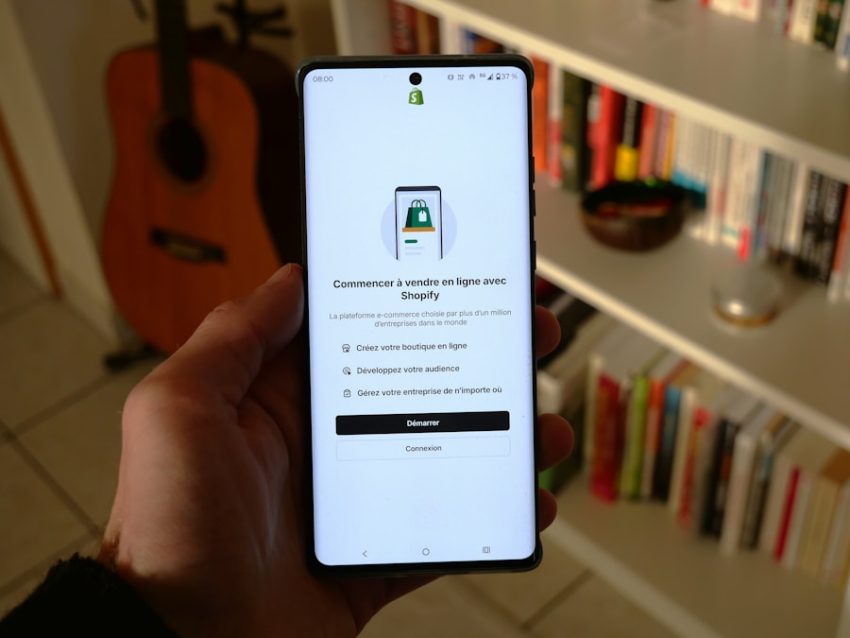
The platforms on which we build our dropshipping stores are no longer just digital storefronts; they are becoming sophisticated ecosystems that offer a wealth of tools and services to help businesses thrive. In 2026, e-commerce platforms play an even more integral role in how we operate and grow.
Integrated Marketing and Analytics Tools
Today’s leading platforms offer built-in marketing automation, advanced analytics dashboards, and seamless integration with social media channels. This allows me to manage almost all aspects of my online presence from a single dashboard, simplifying operations and providing invaluable data insights for optimization.
Enhanced Customer Relationship Management (CRM) Features
Many platforms are now incorporating robust CRM features directly into their offerings. This enables me to track customer interactions, manage support tickets, and personalize communications more effectively, all contributing to a stronger customer journey.
App Stores and Third-Party Integrations
The ability to extend the functionality of my store through app marketplaces is a game-changer. I can easily integrate specialized tools for email marketing, SEO, product reviews, and much more, creating a bespoke tech stack that perfectly suits my business needs without significant custom development.
Streamlined Payment and Fulfillment Options
Modern platforms are also making it easier to manage payments and integrate with fulfillment partners. This not only simplifies transactions but also helps in connecting with reliable shipping providers, which is crucial for dropshipping success.
Strategies for Maintaining Profitability in a Competitive Landscape
The dropshipping world has a reputation for being cutthroat, and in 2026, that competitiveness has only intensified. Staying profitable requires a proactive and multi-faceted approach, one that embraces innovation while never losing sight of the core principles of good business.
Data-Driven Decision Making
Every decision I make is informed by data. From selecting products and setting pricing to optimizing marketing campaigns and improving website user experience, I rely on analytics to guide my strategy. This iterative process of testing, measuring, and refining is essential for staying ahead of the curve and maximizing profitability. I constantly monitor key metrics like conversion rates, customer acquisition cost, average order value, and profit margins.
Value-Added Services and Upselling Opportunities
Profitability isn’t just about the initial sale; it’s about maximizing the value of each customer interaction. I look for opportunities to add value through complementary products, premium support packages, or exclusive content. Upselling and cross-selling strategies, when implemented thoughtfully and relevantly, can significantly boost average order value and overall revenue without increasing acquisition costs.
Continuous Learning and Adaptability
The e-commerce landscape is a perpetual motion machine. What worked yesterday might not work tomorrow. I dedicate time to continuous learning, staying abreast of industry trends, new technologies, and evolving consumer behaviors. This commitment to adaptability ensures that my business remains relevant and resilient, capable of navigating the inevitable shifts and challenges that arise.
Building a Strong Brand and Community
In a crowded market, a strong brand and a loyal community are invaluable assets. I invest in creating a compelling brand story, engaging content, and fostering a sense of belonging for my customers. This emotional connection translates into repeat business, positive word-of-mouth, and a competitive advantage that manufactured products alone cannot replicate.
The future of dropshipping in 2026, as I see it from my vantage point, is not about a radical departure from its core principles, but rather a sophisticated evolution. It’s about leveraging technology with intelligence, understanding our customers with empathy, and building businesses with integrity and a long-term vision. The challenges are real, but the opportunities for those willing to put in the work, adapt, and innovate are more substantial than ever.